In workplaces across South and Southeast Asia, I’ve noticed a quiet but powerful shift. Many leaders don’t fully see it yet. The most self-aware, values-driven generation is now sitting across from us in meetings, joining our teams, and evaluating our culture with deeper clarity than ever.
In an earlier article, I explored the root causes behind this shift. This follow-up goes deeper. This one is about solutions: real, practical solutions that leaders can adopt immediately. Because the silence many leaders see from Gen Z is not immaturity. It is not entitlement. It is not “lack of work ethic.”
It is a quiet, critical signal that leadership must evolve. Not someday, but now
1. It Is Not Indifference. It’s Self-Protection
In my coaching work across South and Southeast Asia, I hear the same patterns from Gen Z employees:
“Why speak up when the hierarchy always wins?”
“It’s easier to stay quiet than be labelled difficult.”
“The leadership says we can be honest, but the moment we are — we get judged.” Their behavior is not withdrawal. It is self-preservation.
And here’s the part leaders don’t always see: When the youngest, most creative generation gets quiet, your organisation loses: new ideas, honest feedback, innovation, future leaders.
Gen Z silence is rarely intentional. It’s emotional exhaustion.
2. The Real Issue: Leadership Styles Built for a Different Era
Most senior leaders were shaped by environments where:
- – authority wasn’t questioned
- – disagreement meant disrespect
- – mistakes were punished, not explored
But Gen Z does not operate with these rules. This is a generation that has seen:
- – student-led uprisings
- – social accountability movements
- – misinformation battles
- – broken institutions
- – rising unemployment and economic instability
They grew up watching leadership fail publicly in government, in corporations, in institutions. Naturally, they expect better leadership, not just bigger titles.
The result? Gen Z responds poorly to rigid, old-school leadership and exceptionally well to Adaptive & Reflective Leadership — the leadership model Kiran Deep Sandhu specialises in.
3. The Leadership Shift: How Adaptive Leadership Meets Gen Z Where They Are
This is where leaders need the most help. Here’s how I guide them through the shift:
3.1 From “Managing” to “Mentoring”
Gen Z does not want to be told what to do; they want to understand why it matters.Adaptive leaders should:
- – explain the purpose behind tasks
- – coach instead of command
- – discuss context instead of saying “just do it”
This is how loyalty is built.Not through authority, but understanding.
3.2 From “Feedback Avoidance” to “Radical Clarity”
Older generations were trained to “take feedback silently.”Gen Z wants clarity, not ambiguity. Adaptive leaders should provide:
- – clear expectations
- – transparent reasoning behind decisions
- – honest, constructive feedback without ego
When clarity increases, silent disengagement reduces.
3.3 From “Seniority Respect” to “Psychological Safety”
In many Asian workplaces, hierarchy decides who speaks. But psychological safety decides who stays. Adaptive leaders must:
- – model vulnerability first
- – acknowledge mistakes openly
- – make it safe to challenge ideas, not people
This transforms meetings from quiet compliance to meaningful collaboration.
3.4 From “Emotional Dismissal” to “Emotional Intelligence”
Gen Z is deeply emotional, not because they are “sensitive,” but because they are highly aware of:
- – burnout and mental health
- – toxic behaviour
- – exploitative work cultures
They see what previous generations tolerated.
Thus, adaptive leaders should shift from: “Don’t take it personally.” to “Help me understand what you’re feeling.” This builds trust faster than any motivational speech.
4. What Leaders Can Do Now: Practical, Actionable Steps
Every country has its own cultural nuance. But the leadership solutions are universal. Here are practical steps leaders can apply starting today:
4.1 Write a “Gen Z Communication Charter” for Your Team
A simple 1-page commitment that says:
- – We listen first
- – Questions are welcome
- – Feedback is two-way
- – Mistakes are learning moments
- – Disagreement is not disrespect
This small document can completely shift how safe your team feels.
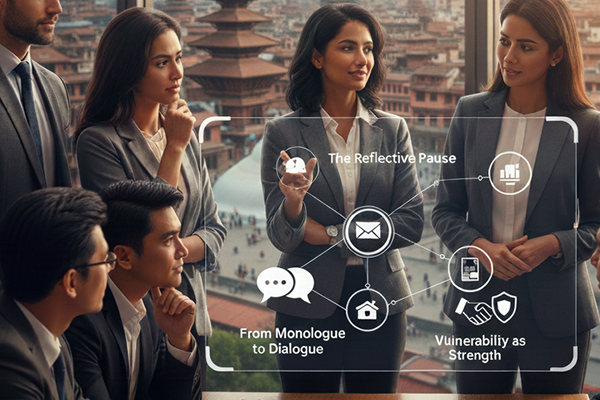
4.2 Start Doing 15-minute “Leadership Reflection Routines”
I teach this framework to corporate teams:
Pause → Reflect → Respond.
Every day, leaders reflect on:
- 1. Where did I react instead of respond?
- 2. Who did I silence by accident?
- 3. What assumptions did I make about my younger team?
This one habit increases emotional intelligence, self-awareness and relationship-building capacity of leaders.
4.3 Replace Performance Reviews With “Growth Conversations”
Gen Z hates performance reviews (and honestly, so do most people).A Growth Conversation includes:
- – What energised you this month?
- – Where did you feel unsupported?
- – What do you want to learn next?
- – How can I support you better?
This is how retention improves.Not with salary bumps but with leaders who care.
4.4 Build a “Challenge Without Punishment” Culture
Tell your team explicitly: “You can challenge ideas.No one will be punished for speaking truth.” Then demonstrate it. Model the behaviour when someone disagrees with you.
Leadership culture changes not through policies but through visible behaviour.
4.5 Use My Leadership Framework
My Reflective Leadership Model helps leaders identify their style: The Leadership Model presented in the workbook helps leaders identify which of these they fall into: Fixer, Deflector, Avoider, Reactor, Aware Leader.
Once leaders understand their reflection style, they learn how to respond thoughtfully, manage emotional triggers, create safe spaces, inspire Gen Z performance, and communicate with trust and clarity
This is not theory. This is practical behaviour change that transforms teams.
5. Why This Matters: Lessons From Gen Z Across Asia
Whether it is political movements, campus protests, workplace reforms, or online activism, Gen Z has shown one truth consistently:They will reject leaders who do not adapt. And they will follow leaders who do. The revolution isn’t about overthrowing authority. It’s about redefining it. And workplaces are next.
The Leaders Who Reflect Will Be the Leaders Who Survive
The Gen Z workforce is not difficult. They are simply more aware, more informed, and less willing to tolerate harmful leadership behaviours.
Leaders who embrace adaptability, reflection, emotional intelligence, and meaningful communication will thrive. Leaders who cling to outdated models will see their teams go quiet and eventually go elsewhere.
This shift is not a threat. It is an opportunity. An opportunity to lead better and lead deeper with reflection.
Ready to Take the First Step?
I’ve created a diagnostic workbook, “Is Your Office Silently Failing?” designed to help leaders:
- – identify their leadership reflection type
- – understand how they impact Gen Z engagement
- – uncover invisible cultural problems
- – begin shifting toward Adaptive Leadership
- – rebuild trust and psychological safety
This is a solutions-driven guide for leaders facing the most self-aware workforce in history written by Kiran Deep Sandhu.
Ready to develop adaptive leadership in your organization? Download the guidebook by clicking the link below.
Download